
Introduction
In today’s digital world, the internet plays a central role in how people communicate, work, learn, and conduct business. From social media platforms to online banking and cloud services, almost every aspect of modern life relies on connected technologies. While these advancements provide convenience and efficiency, they also introduce significant security risks. Cybercriminals continuously develop new techniques to exploit vulnerabilities and steal sensitive information.
Cyber security has therefore become a critical topic for individuals, businesses, and governments alike. Protecting personal data, financial information, and digital identities requires awareness and proactive strategies. Unfortunately, many internet users underestimate how easily their information can be compromised.
This article explores practical cyber security tips that can help anyone stay safe online. By understanding common threats and applying simple security practices, individuals can significantly reduce the risk of becoming victims of cybercrime.

Understanding Cyber Security
Cyber security refers to the practice of protecting digital systems, networks, and data from unauthorized access, attacks, or damage. It involves technologies, processes, and behaviors designed to safeguard information stored on computers, smartphones, and internet-connected devices.
The purpose of cyber security is not only to prevent attacks but also to detect threats early and respond effectively when incidents occur. Security experts focus on protecting three key principles often referred to as the “CIA Triad”:
- Confidentiality – ensuring sensitive information remains private
- Integrity – maintaining accuracy and reliability of data
- Availability – ensuring systems and information remain accessible when needed
Without proper security measures, attackers may steal personal data, disrupt services, or manipulate important information.

Common Cyber Threats
Understanding common cyber threats is the first step toward protecting yourself online.
Phishing Attacks
Phishing is one of the most widespread cyber threats. It involves attackers sending fake emails, messages, or websites designed to trick users into revealing sensitive information such as passwords or credit card details.
These messages often appear to come from legitimate companies, banks, or well-known online services. Once a victim enters their information, attackers can use it to gain unauthorized access to accounts.
Malware
Malware refers to malicious software created to damage or exploit systems. Examples include viruses, spyware, ransomware, and trojans. Malware may enter devices through infected downloads, malicious websites, or unsafe email attachments.
Once installed, malware can steal data, monitor activities, or lock files until a ransom is paid.
Identity Theft
Identity theft occurs when criminals obtain personal information such as names, addresses, or identification numbers and use it to impersonate someone else. This can lead to financial fraud, unauthorized transactions, and long-term damage to a victim’s reputation.
Data Breaches
Organizations store vast amounts of personal data. When hackers gain unauthorized access to these databases, millions of user records can be exposed. Data breaches have become increasingly common as cybercriminals target companies and institutions.
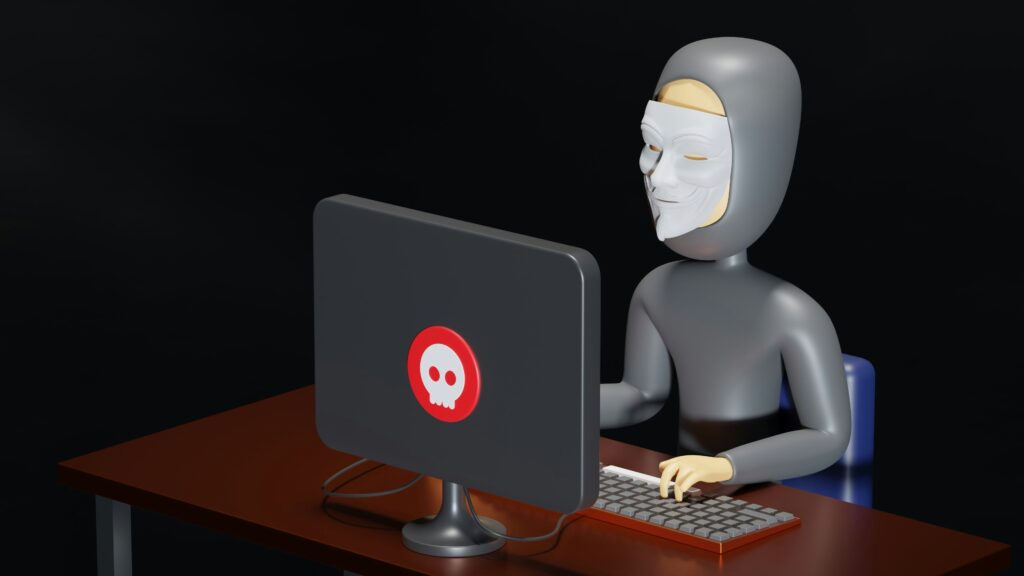
Essential Cyber Security Tips
Protecting yourself online does not require advanced technical skills. Many effective security measures are simple habits that everyone can adopt.
Use Strong and Unique Passwords
Passwords are the first line of defense against unauthorized access. Weak or reused passwords make it easy for attackers to break into accounts.
A strong password should:
- Be at least 12 characters long
- Include uppercase and lowercase letters
- Contain numbers and special characters
- Avoid common words or personal information
Using different passwords for each account is also important. If one account is compromised, other accounts remain protected.
Enable Two-Factor Authentication
Two-factor authentication (2FA) adds an extra layer of security. In addition to entering a password, users must confirm their identity through another method such as a text message code or authentication app.
Even if a password is stolen, attackers cannot access the account without the second verification step.
Keep Software Updated
Software updates often contain security patches that fix vulnerabilities discovered by developers. Ignoring updates can leave systems exposed to known threats.
Always keep operating systems, browsers, mobile apps, and security software updated to the latest versions.
Avoid Suspicious Links and Attachments
Many cyber attacks rely on tricking users into clicking malicious links. Always verify the sender before opening attachments or clicking links in emails or messages.
If something looks unusual or urgent, it may be a phishing attempt.
Use Secure Internet Connections
Public Wi-Fi networks in places like cafes or airports are convenient but often insecure. Attackers may intercept data transmitted over these networks.
Avoid accessing sensitive accounts when using public Wi-Fi. If necessary, use secure browsing tools or wait until you are connected to a trusted network.
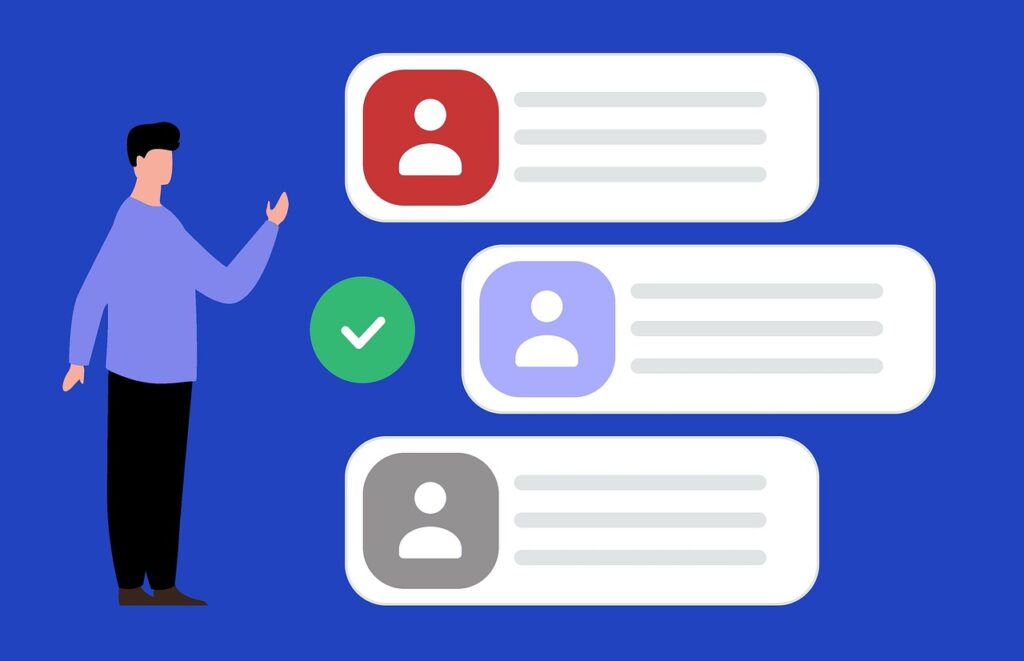
Protecting Personal Data Online
Personal data is extremely valuable to cybercriminals. Protecting it requires awareness and careful behavior online.
Limit the Information You Share
Social media platforms encourage users to share details about their lives. However, posting too much personal information can make it easier for attackers to guess passwords or security questions.
Avoid sharing sensitive information such as home addresses, phone numbers, or travel plans publicly.
Review Privacy Settings
Most online platforms offer privacy controls that allow users to manage who can see their information. Regularly reviewing these settings can help protect personal data from unwanted access.
Monitor Your Accounts
Checking financial statements and online account activity regularly can help detect suspicious behavior early. If unauthorized activity is discovered, immediate action can minimize potential damage.
Cyber Security for Businesses
While individuals face cyber threats, businesses are also prime targets for cybercriminals. Organizations store valuable customer data and financial information, making them attractive targets.
Companies must invest in strong cyber security practices to protect both their operations and their customers.
Key security measures include:
- Employee training on cyber security awareness
- Regular system updates and vulnerability assessments
- Data encryption and secure storage solutions
- Strong access controls and authentication systems
By prioritizing security, businesses can prevent costly breaches and maintain customer trust.
The Role of Cyber Security Awareness
Technology alone cannot fully protect users from cyber threats. Human behavior plays a major role in online security. Many attacks succeed because individuals are unaware of potential risks.
Cyber security awareness involves educating users about safe online practices and recognizing suspicious activities. Schools, organizations, and governments increasingly promote digital literacy to help individuals navigate the internet safely.
When users understand the risks and follow basic security guidelines, they become the strongest defense against cybercrime.

Future Trends in Cyber Security
As technology evolves, cyber security must adapt to new challenges. Emerging technologies such as artificial intelligence, cloud computing, and the Internet of Things introduce both opportunities and risks.
Security experts are developing advanced tools that can detect threats faster and respond to attacks automatically. Artificial intelligence, for example, can analyze large volumes of data to identify unusual patterns that may indicate a cyber attack.
However, cybercriminals also use advanced technologies to develop more sophisticated attacks. This ongoing competition between defenders and attackers ensures that cyber security will remain a critical issue in the digital future.
Conclusion
Cyber security is no longer a concern limited to technology experts or large organizations. In today’s connected world, everyone who uses the internet must take responsibility for protecting their digital presence.
Simple actions such as creating strong passwords, enabling two-factor authentication, and staying alert to suspicious messages can significantly reduce the risk of cyber attacks. Awareness and proactive behavior are the most effective tools for maintaining online safety.
As technology continues to shape the way people live and work, the importance of cyber security will only grow. By adopting responsible digital habits and staying informed about potential threats, individuals can confidently enjoy the benefits of the internet while protecting their personal information and privacy.