
Introduction: The Death of Distance
In the traditional era of commerce, a business was defined by its physical geography—the corner store, the downtown office, or the roadside billboard. Today, the “location” of a business is the five-inch screen in a consumer’s pocket. Digital Marketing is the multifaceted discipline of managing that presence. It is the intersection of data science, psychological behavior, and creative storytelling.
For any brand seeking longevity in 2026, understanding the digital landscape is no longer a competitive advantage; it is a foundational requirement for survival.
1. Search Engine Optimization (SEO): The Art of Being Found
SEO is the process of aligning a website’s DNA with the algorithms of search engines like Google. Unlike paid ads, SEO provides organic sustainability.
The Trinity of SEO
- Architectural (Technical) SEO: This is the “under the hood” work. It ensures that search engine “crawlers” can easily read your site. It involves optimizing site speed, ensuring mobile responsiveness, and creating a clean XML sitemap. If a site takes longer than three seconds to load, 53% of mobile users will abandon it.
- Semantic (On-Page) SEO: This has evolved beyond “keyword stuffing.” Modern SEO is about Search Intent. Does the user want to buy (transactional), learn (informational), or go somewhere (navigational)? Crafting content that answers these specific intents is how a page hits the #1 spot.
- Authority (Off-Page) SEO: This is the digital version of “word-of-mouth.” When high-authority websites link back to your content, it signals to Google that your information is trustworthy.
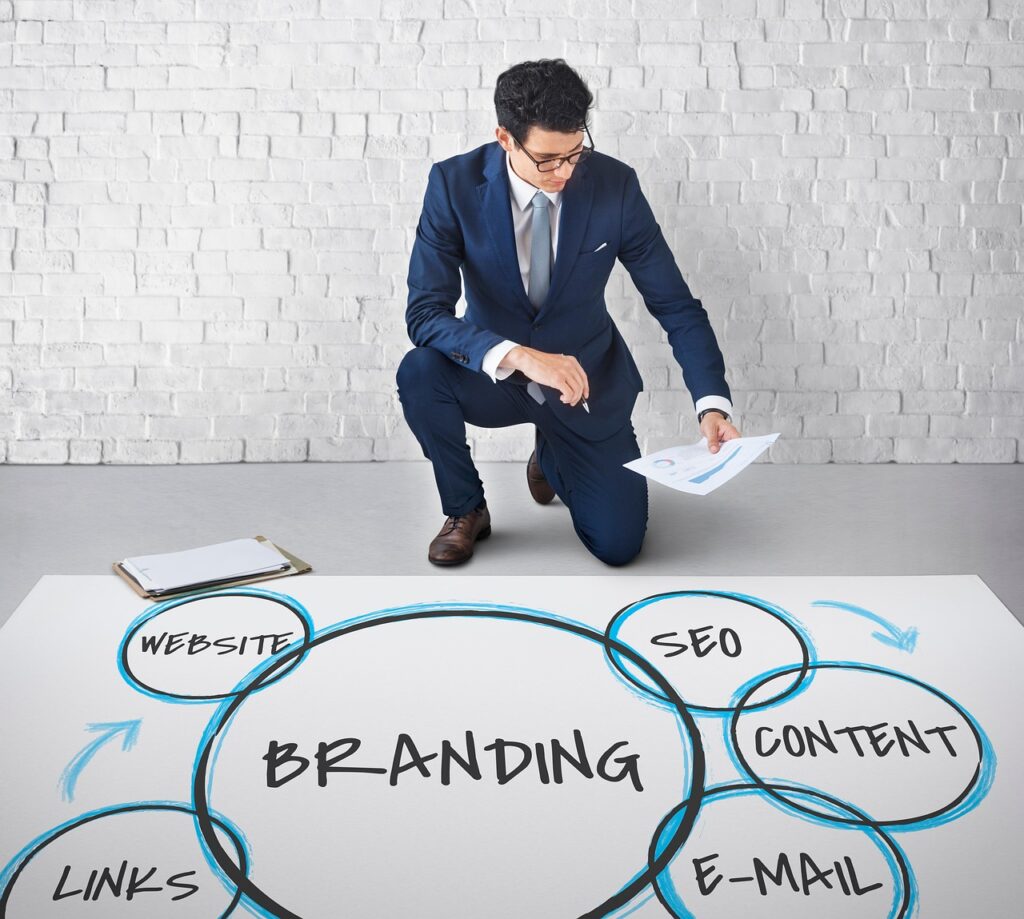
2. Content Marketing: The Currency of Trust
In an era of “banner blindness,” where consumers instinctively ignore ads, Content Marketing is the bridge to the customer. It is the practice of creating and distributing valuable, relevant, and consistent content to attract a clearly defined audience.
The Content Pillar Strategy
Successful businesses use a “Pillar and Spoke” model. They create one massive, authoritative guide (the Pillar) and break it down into smaller “Spokes”—such as infographics, short videos, and social media snippets. This ensures the brand remains “Omnipresent” without repeating the same boring message.
AdSense Tip: High-quality, long-form articles (1,500+ words) that solve a specific problem are the fastest way to get AdSense approval. Google prioritizes “helpful content” over “sales pitches.”
3. The Psychology of Social Media Ecosystems
Social Media Marketing (SMM) is often misunderstood as just “posting updates.” In reality, it is a sophisticated data-gathering and community-building tool.
- The Viral Loop: Platforms like TikTok and Instagram use “Interest Graphs” rather than “Social Graphs.” This means your content is shown to people based on what they like, not just who they follow. Businesses now focus on “edutainment”—content that educates while it entertains.
- Community Management: The “Social” in social media is key. Brands that respond to comments and engage in direct conversations see a 33% higher customer retention rate than those that use social media as a one-way megaphone.
4. Pay-Per-Click (PPC) and the Precision of Data
PPC is the “accelerant” of digital marketing. While SEO is a marathon, PPC is a sprint. Platforms like Google Ads and Meta Ads allow businesses to bid for the attention of specific users.
The Auction Dynamics
Every time you search for something on Google, a lightning-fast auction happens. Google doesn’t just pick the person who pays the most; they pick the ad that is the most relevant. This “Quality Score” ensures that the user experience remains high, even within advertisements.

5. Email Marketing: The Last Frontier of Privacy
As privacy laws like GDPR and CCPA become stricter, and “third-party cookies” disappear, First-Party Data is becoming gold. Email marketing is the only channel where a business has a direct, unmediated relationship with the consumer.
- Segmentation: Modern email marketing isn’t “blast-and-pray.” It’s about sending a different message to a 20-year-old first-time browser than you send to a 50-year-old loyal customer.
- Automation: Sophisticated workflows can trigger an email the moment a customer looks at a product three times but doesn’t buy it, offering a timed discount to “nudge” the sale.
6. The Role of Artificial Intelligence in 2026
Artificial Intelligence has moved from a “gimmick” to a core component of digital promotion.
- Predictive Analytics: AI can now predict which customers are likely to “churn” (leave) before they even know it themselves.
- Generative Content: Tools are used to create personalized ad copy for thousands of different micro-segments simultaneously.
- Voice Search: With the rise of AI assistants, more searches are verbal. Businesses are now optimizing for “Conversational Queries” rather than short keywords.

7. Performance Metrics: Measuring What Matters
The biggest mistake in digital marketing is focusing on “Vanity Metrics” (likes and follows). Professional marketers focus on:
- CAC (Customer Acquisition Cost): How much does it cost in marketing to get one new customer?
- LTV (Lifetime Value): How much profit will that customer bring over five years?
- ROAS (Return on Ad Spend): For every $1 put into an ad, how many dollars come back in revenue?
Conclusion: The Human Element
Despite all the algorithms, pixels, and AI, digital marketing is still about human beings. The technology is just a delivery vehicle for a human connection. The businesses that win in the digital age are those that use data to be more relevant, not more annoying. They use technology to solve problems, build trust, and create value.