Introduction
Today’s world is changing faster than ever. Technology, globalization, and new ways of working are reshaping how we learn and what skills we need to succeed. Students can no longer rely only on memorizing textbooks or passing exams. Academic knowledge is important, but it is just one part of the puzzle.
To thrive in the future, students need practical skills that will help them handle challenges, work well with others, and adapt to change. These skills go beyond grades—they help students make better decisions, communicate clearly, and solve problems effectively.
For example, a student who can think critically and adapt to new situations is better prepared for college, career opportunities, and real-life challenges. Similarly, students who learn how to manage their time and set goals are more organized and productive.
In this article, we will explore the top 10 skills every student should learn. These skills are essential for academic success, career development, and personal growth. By developing these abilities, students can build a strong foundation for their future, stand out in competitive environments, and achieve long-term success.
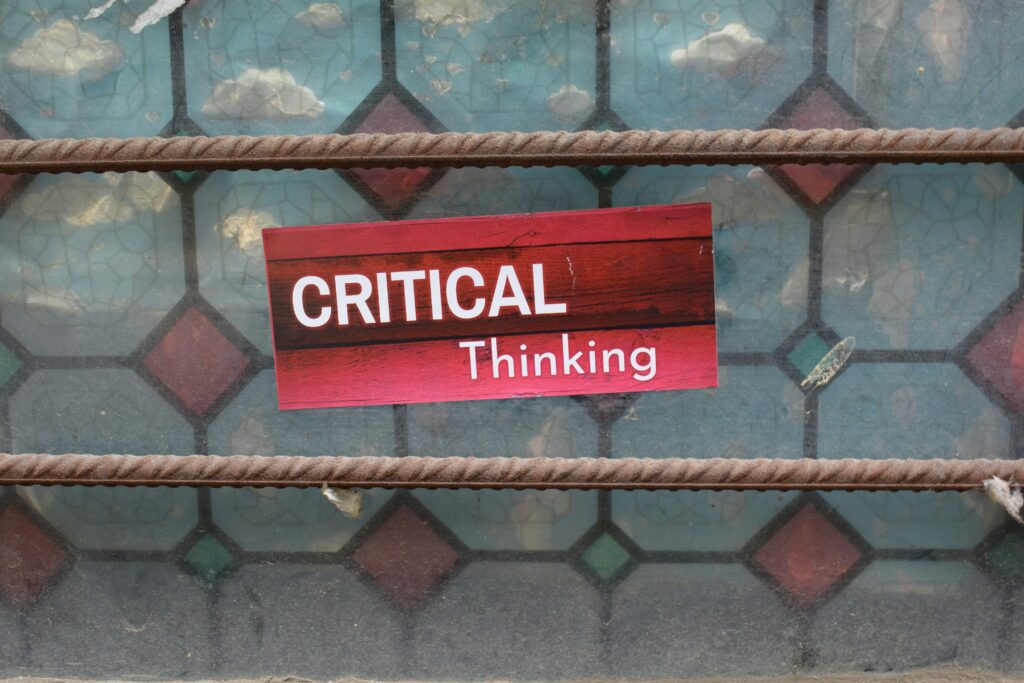
1. Critical Thinking Skills
Critical thinking is one of the most valuable skills a student can develop. It allows students to analyze information carefully, evaluate different ideas, and make smart decisions. Instead of accepting information at face value, students should learn to ask questions and think deeply about the topics they study.
For example, when reading a book or article, a student can ask:
- What is the main idea?
- Is this information reliable?
- Are there other ways to look at this problem?
Critical thinking helps students:
- Solve complex problems more effectively
- Make informed decisions
- Avoid being misled by false information
This skill is important in every aspect of life—from school assignments to personal choices. Students who think critically can see multiple perspectives, identify mistakes, and approach challenges creatively.
Teachers can help students develop critical thinking by encouraging debates, asking open-ended questions, and giving students real-life problems to solve. Students can also practice independently by reflecting on their learning, analyzing different viewpoints, and applying logic to everyday situations.

2. Communication Skills
Communication is key to success in both school and life. Students need to express their ideas clearly in speaking and writing, as well as understand others through active listening.
Strong communication skills include:
- Speaking confidently in front of a group
- Writing clearly and concisely
- Listening carefully to others
When students communicate well, they can:
- Work better in group projects
- Present ideas effectively in class
- Build strong social and professional relationships
For example, a student who explains concepts clearly can help classmates understand a topic better and build trust with teachers and peers. Writing skills are equally important; students who can write clearly are more likely to score higher on assignments and exams.
To improve communication, students can practice public speaking, participate in discussions, write regularly in journals or blogs, and pay attention to listening skills. Communication is not just about talking; it’s about expressing ideas in a way that others understand and appreciate.

3. Digital Literacy
Digital literacy is the ability to use technology effectively and responsibly. In today’s digital world, students need to know how to navigate computers, smartphones, and the internet safely and efficiently.
Key digital skills include:
- Using educational tools and software
- Searching for reliable information online
- Understanding online privacy and security
Students who are digitally literate can access learning materials quickly, complete projects efficiently, and communicate online professionally. They also avoid online risks, such as cyberbullying or misinformation.
With technology being a part of almost every career, digital literacy gives students an advantage in the job market. For example, students who know how to create presentations, edit documents, or use coding software can handle tasks that others may find difficult.
Teachers and parents can help students develop digital literacy by introducing them to safe online practices, teaching research methods, and encouraging responsible use of technology. Students can also improve their digital skills by taking online courses, exploring new software, and staying updated with technological trends.
4. Problem-Solving Skills
Problem-solving is the ability to find solutions to challenges. It is a crucial skill for students because life is full of obstacles. Problem-solving helps students face challenges independently and creatively.
To solve problems effectively, students should:
- Understand the problem clearly
- Think of possible solutions
- Evaluate the pros and cons
- Take action and reflect on the outcome
Problem-solving develops critical thinking and encourages creativity. It also builds confidence, as students learn that challenges can be overcome with careful thought.
Teachers can assign real-life scenarios or puzzles that require students to find solutions. Students can also practice problem-solving by analyzing mistakes, learning from failures, and brainstorming multiple solutions.
For example, if a student struggles with time management, they can identify the cause, experiment with different schedules, and choose the most effective approach. Problem-solving is a skill that improves with practice and is useful for both academic success and everyday life.

5. Time Management
Time management is essential for student success. Many students struggle not because they are incapable, but because they don’t plan their time well.
Good time management helps students:
- Complete assignments on time
- Balance study and personal life
- Reduce stress
Simple strategies for better time management include:
- Creating a daily or weekly schedule
- Setting priorities and deadlines
- Breaking tasks into smaller, manageable steps
- Avoiding distractions like social media during study time
Students who manage their time well are more productive and have a clearer mind for learning. Teachers and parents can support students by encouraging planning and helping them set realistic goals.
Time management also teaches students responsibility and discipline, preparing them for future work and personal life. By starting small and building habits gradually, students can improve their efficiency and achieve more in less time.
6. Teamwork and Collaboration
Teamwork is vital for both school projects and future careers. Students need to learn how to work effectively with others to achieve common goals.
Important aspects of teamwork include:
- Respecting others’ opinions
- Sharing ideas openly
- Taking responsibility for assigned tasks
Working in teams allows students to learn from different perspectives and develop social skills. Group projects in school are excellent opportunities to practice collaboration, leadership, and conflict resolution.
Students who are good at teamwork often perform better in school and are more prepared for professional environments. Teachers can encourage collaboration through group assignments, discussions, and cooperative activities.
Being able to work well with others also helps students build relationships that can benefit them in higher education and later careers. Learning to compromise, listen, and contribute effectively are key elements of teamwork.
7. Adaptability and Flexibility
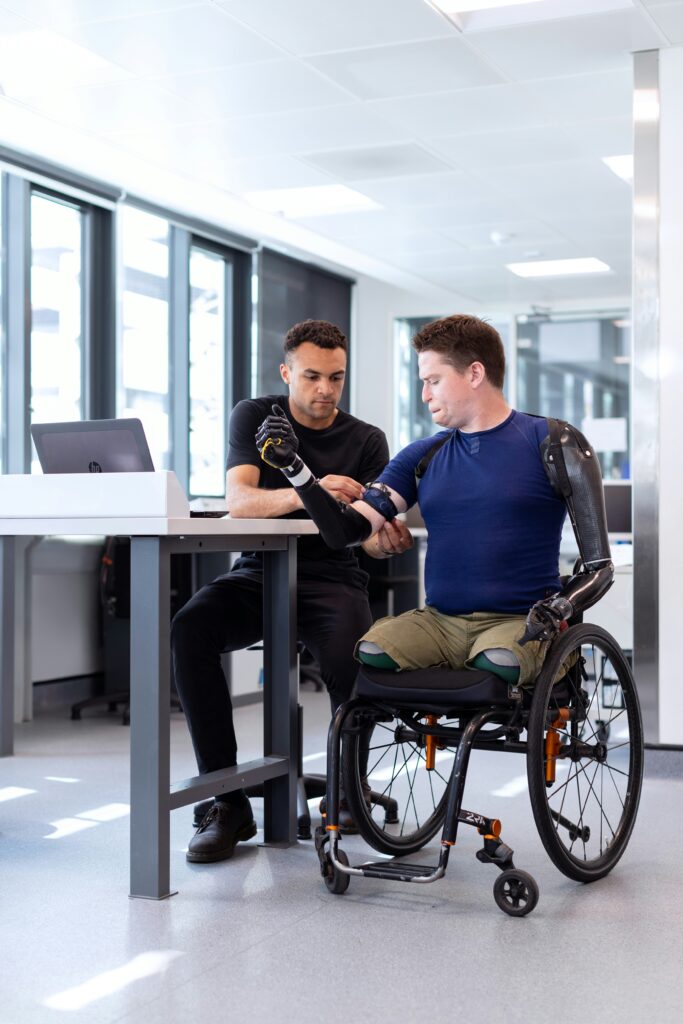
Adaptability is the ability to adjust to new conditions. In today’s fast-changing world, this skill is crucial for students.
Being adaptable means:
- Accepting change positively
- Learning new skills quickly
- Being open to new ideas
Students who adapt well can handle unexpected challenges, such as switching to online learning or adjusting to a new teacher’s style. Flexibility helps reduce stress and improves problem-solving ability.
Teachers can foster adaptability by encouraging students to try new methods of learning, face challenges, and learn from mistakes. Students who are flexible are also more resilient and confident, able to navigate a constantly changing world with ease.
“Group projects are excellent opportunities to practice teamwork and collaboration (Harvard Business Review).”
8. Goal Setting
Setting goals gives students direction and motivation. Without goals, students may feel lost or unfocused.
Types of goals:
- Short-term goals (daily homework, weekly study plans)
- Long-term goals (graduation, career planning)
Effective goal-setting involves:
- Being specific about what you want to achieve
- Breaking goals into smaller steps
- Tracking progress and adjusting as needed
Students who set goals can prioritize their time and energy, leading to better results in academics and personal life. Teachers and parents can guide students by helping them define realistic goals and creating plans to achieve them.
“Students who adapt well to online learning can continue their education successfully (UNESCO).”
9. Leadership Skills
Leadership is not just about being in charge; it is about taking initiative, guiding others, and making good decisions.
Students can develop leadership skills by:
- Leading group activities or projects
- Helping peers with tasks
- Volunteering in school events
Leadership builds confidence, responsibility, and decision-making abilities. Students with strong leadership skills are more likely to succeed in higher education and future careers.
Even small opportunities, such as organizing a study group or participating in clubs, can help students practice leadership skills.
10. Lifelong Learning Mindset
Learning should not stop after school. A lifelong learning mindset means being curious and willing to acquire new knowledge and skills throughout life.
Students can develop this mindset by:
- Reading books regularly
- Exploring online courses
- Learning from mistakes and experiences
Lifelong learners adapt to changes more easily and stay competitive in their careers. This mindset also promotes personal growth and satisfaction.
Why These Skills Matter
The future job market demands more than academic knowledge. Employers seek individuals who can:
- Think critically
- Communicate effectively
- Adapt to change
These skills help students:
- Stand out in competitive environments
- Build successful careers
- Handle real-life challenges
Developing these skills early gives students confidence and prepares them for the uncertainties of the future. It also makes learning more meaningful and practical.
How Students Can Start Developing These Skills
Developing these skills requires time, effort, and consistent practice. Students can start by:
- Learning something new every day
- Practicing communication and teamwork
- Using technology responsibly
- Setting small, achievable goals
Parents and teachers can provide guidance, support, and feedback to help students grow. The key is to start small and stay consistent. Over time, these skills will become habits that last a lifetime.
Conclusion
In conclusion, students who want to succeed in the future need more than good grades. They need practical skills like critical thinking, communication, problem-solving, time management, teamwork, adaptability, goal-setting, leadership, digital literacy, and lifelong learning.
Developing these skills early prepares students for academic success, career growth, and personal development. It helps them face challenges confidently, make better decisions, and adapt to changes in life.
By practicing and cultivating these skills consistently, students can build a strong foundation for a bright and successful future.