Introduction
Have you ever spent hours creating a marketing campaign only to find that almost nobody responded? You’re not alone. Many businesses dive into marketing with high hopes, only to realize that getting attention in today’s crowded inboxes and social feeds is harder than it looks.
Every day, people receive dozens—sometimes hundreds—of messages. Work emails, promotions, newsletters, and spam all compete for attention. So how do you make sure your message actually gets noticed?
Learn more in our Digital Marketing Basics guide
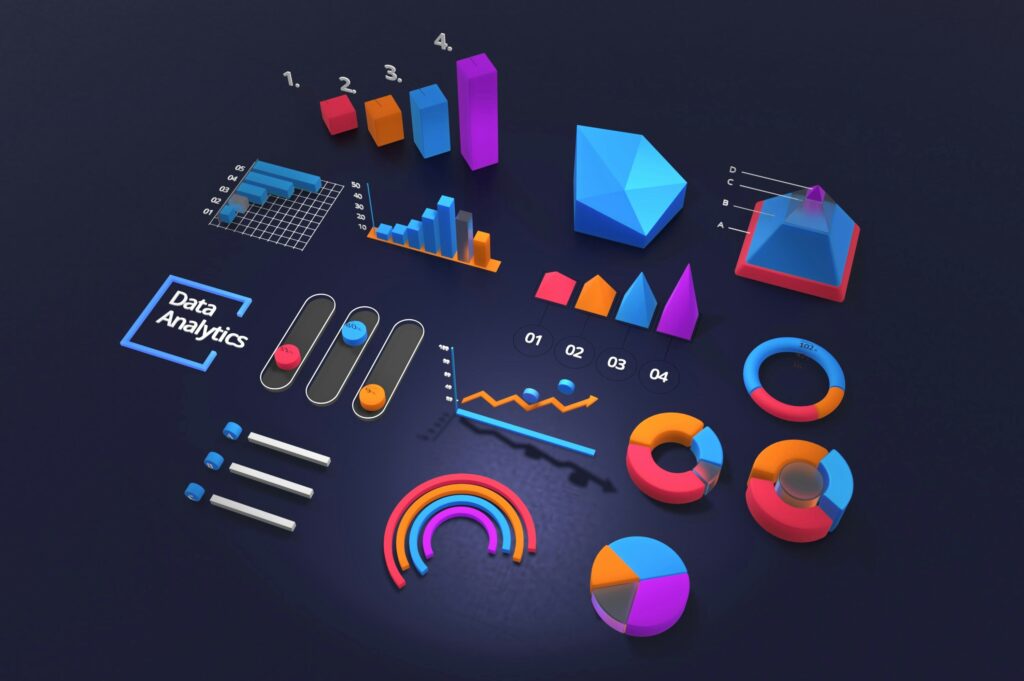
That’s where data-driven marketing comes in. Instead of guessing what might work, you use real numbers, insights, and performance metrics to guide your decisions. In this post, you’ll learn practical ways to measure what’s working in your marketing and how to improve your ROI naturally.

What is Data-Driven Marketing?
Data-driven marketing means letting facts, analytics, and measurable results guide your marketing decisions.
Instead of relying on assumptions about what your audience wants, you use analytics to understand:
- Who your customers really are
- What content they respond to
- Which channels bring the best results
By using real data, you can focus on what actually works, save time, reduce wasted marketing spend, and make smarter decisions.

Why Data-Driven Marketing Matters
- Better Decision-Making – You base your strategy on facts, not gut feelings.
- Higher ROI – Spend your budget on channels and campaigns that actually deliver.
- Personalized Marketing – Use data to send messages that resonate with specific audience segments.
- Competitive Advantage – Spot trends and opportunities faster than competitors relying on guesswork.
Key Metrics to Measure What Works
If you want your marketing to succeed, you need to track the right numbers. Here are the most important ones:
1. Conversion Rate
Measures the percentage of visitors who take a desired action, like making a purchase or signing up for a newsletter.
- Formula:
(Conversions ÷ Total Visitors) × 100 - Why it matters: Shows how effective your campaigns are at persuading people to take action.
2. Click-Through Rate (CTR)
Shows the percentage of people who clicked your links after seeing them.
- Formula:
(Clicks ÷ Impressions) × 100 - Why it matters: Indicates how engaging and relevant your content is.
3. Customer Acquisition Cost (CAC)
Measures how much it costs to acquire a new customer.
- Formula:
Total Marketing Spend ÷ New Customers Acquired - Why it matters: Helps you identify which campaigns are cost-effective.
4. Customer Lifetime Value (CLV)
Estimates how much revenue a customer will generate over time.
- Why it matters: Comparing CLV to CAC ensures your marketing is profitable long-term.
5. Bounce Rate
Shows the percentage of visitors who leave your site without interacting.
- Why it matters: High bounce rates may indicate poor content or landing pages.
6. Engagement Metrics
Includes likes, shares, comments, or time spent on a page.
- Why it matters: Higher engagement shows that your content resonates with your audience.
Tools for Tracking and Analysis
To make data-driven marketing work, you need the right tools:
- Google Analytics – Tracks website traffic, conversions, and user behavior.
- HubSpot – Marketing platform with CRM, email, and automation tools.
- SEMrush / Ahrefs – Helps with SEO analysis and competitor research.
- Mailchimp / Klaviyo – Email marketing performance tracking.
- Facebook Ads Manager / Google Ads – Monitors paid ad performance and ROI.
For detailed analytics, check:
Turning Data Into Actionable Strategies
Collecting data is not enough—you need to act on it.
1. Segment Your Audience
Different groups respond differently. New visitors, returning customers, and loyal buyers all need tailored messages.
2. Test and Optimize
Use A/B testing to experiment with subject lines, landing pages, or ads. Data will show which performs better.
3. Focus on High-Performing Channels
Invest more in what works and reduce spending on underperforming channels.
4. Personalize Marketing Messages
Data allows you to craft messages that feel personal and relevant, which increases engagement.
5. Monitor Trends
Analytics can alert you to new opportunities or potential threats. Keep adapting your strategy.
Read our guide on email segmentation to learn more.

Common Mistakes to Avoid
- Tracking too many metrics at once
- Ignoring the context behind the numbers
- Failing to update campaigns based on new data
- Not integrating different data sources
- Being overly sales-focused instead of providing value
Benefits of Data-Driven Marketing
- Improved ROI
- Better targeting and personalization
- Higher engagement and customer retention
- Efficient marketing spend
- Clear insight into what works and what doesn’t
Conclusion
Data-driven marketing is about watching, learning, and acting. By tracking the right metrics—like conversion rate, CTR, CAC, CLV, bounce rate, and engagement—you can understand what works and what doesn’t.
It’s not about complicated tools; it’s about using data to make smarter decisions. Start small, test often, optimize, and over time your campaigns, ROI, and audience engagement will grow naturally.