
Introduction
In today’s digital world, content is the backbone of every successful website or blog. Whether you are a beginner or an experienced blogger, creating high-quality content is essential for attracting readers, building trust, and generating revenue. Good content is not just about writing—it’s about understanding your audience, providing value, and presenting information clearly.
Every day, millions of blogs and websites compete for attention. Standing out requires more than just words—it requires strategy, creativity, and consistency. A well-crafted blog post not only improves your Google rankings but also keeps readers engaged and coming back for more. To stay ahead in the tech and blogging world, it helps to stay informed on the latest trends. For example, check our detailed guide on Top Programming Languages in 2026 to create content that is both current and valuable.
This guide provides practical, actionable tips to help bloggers create effective content that resonates with readers, performs well on search engines, and is fully AdSense-friendly.

1. Understanding Your Audience
Creating content without understanding your audience is like sending a letter to the wrong address. Your content must speak directly to the people you want to reach.
Identify Your Audience
- Demographics: Know your readers’ age, location, and interests.
- Needs and Pain Points: Understand the problems they are trying to solve.
- Preferred Content Types: Do they prefer tutorials, long guides, videos, or infographics?
Tools to Understand Your Audience
- Google Analytics: Learn which pages are popular, how long visitors stay, and what content they engage with.
- Social Media Insights: Platforms like Instagram, Twitter, and Facebook provide information about followers’ demographics and engagement.
- Surveys and Polls: Directly ask your audience what topics they want to read.
When your content matches your audience’s needs, it becomes more engaging, shareable, and likely to rank higher in search engines.

2. Choosing the Right Topics
Even the best writing can fail if the topic doesn’t interest readers. Choosing the right topic is crucial for attracting readers and improving SEO.
Research Trending Topics
- Google Trends: Discover which topics are currently popular in your niche.
- BuzzSumo: Analyze the most shared content and identify what resonates with audiences.
- Social Media Hashtags: Check trending hashtags for inspiration.
Keyword Research
Keywords help Google understand your content and connect it to users’ searches. Use long-tail keywords for better targeting. For example, instead of just “programming,” use “best programming languages for beginners in 2026.”
Internal Linking Opportunities
Always link new content to existing posts to improve your site’s structure. Example: when discussing coding tips, link to your post on Top Programming Languages in 2026. This improves SEO and encourages readers to explore more of your site.

3. Writing Engaging Content
High-quality writing keeps readers on your site longer. It’s not enough to provide information; the content must also be readable and enjoyable.
Craft Catchy Titles
A strong title grabs attention and encourages clicks. Your title should:
- Be descriptive, telling the reader exactly what to expect.
- Include the main keyword naturally.
- Be compelling without being misleading.
Example: “Effective Content Creation Tips for Bloggers: A Step-by-Step Guide”
Write Compelling Introductions
Hook the reader in the first 2–3 sentences. Introduce the problem your post solves or the benefit they will gain.
Structure and Readability
- Use headings and subheadings (H2, H3): Divide content into manageable sections.
- Bullet points and numbered lists: Make information easier to scan.
- Short paragraphs: Limit to 3–4 lines for better readability.
- Active voice: Makes your writing clear and direct.
Storytelling Techniques
Stories, examples, and case studies make your content more relatable and memorable. They create an emotional connection that keeps readers engaged.

4. SEO Optimization for Bloggers
Optimizing your content ensures it reaches more people via search engines.
On-Page SEO Tips
- Title Tag: Include the main keyword, keep under 60 characters.
- Meta Description: Summarize your post in 150–160 characters.
- Headings (H1, H2, H3): Use keywords naturally.
- Alt Text for Images: Describe images accurately using keywords.
Internal Linking
Link related posts within your site to create a network of connected content. Example: link your post to Top Programming Languages in 2026.
External Linking
Link to authoritative sources like educational, government, or industry sites to build trust.
Mobile-Friendly and Fast Loading
Google prioritizes mobile-friendly websites. Optimize images, enable caching, and choose responsive themes to improve load times.
5. Enhancing Content with Multimedia
Visual content enhances understanding and engagement.
Types of Multimedia
- Images: Illustrate points and make the post visually appealing.
- Videos: Tutorials or walkthroughs improve understanding.
- Charts & Infographics: Simplify complex data and make it shareable.
Optimizing Multimedia for SEO
- Compress images to reduce loading time.
- Use descriptive file names and alt text.
- Embed videos from platforms like YouTube, ensuring AdSense compliance.
6. Promoting Your Content
Creating content is only half the battle; promotion ensures people see it.
Social Media Strategies
- Share posts on platforms like Facebook, Twitter, Instagram, and LinkedIn.
- Use relevant hashtags for broader reach.
- Engage with followers by responding to comments.
Email Newsletters
- Build an email list and send regular updates.
- Include short summaries of your posts with links to read more.
Guest Blogging
- Write guest posts on reputable sites in your niche.
- Include links back to your blog to drive traffic and improve SEO.
Collaboration and Backlinks
- Collaborate with influencers or other bloggers.
- Backlinks from trusted sites boost your SEO authority.
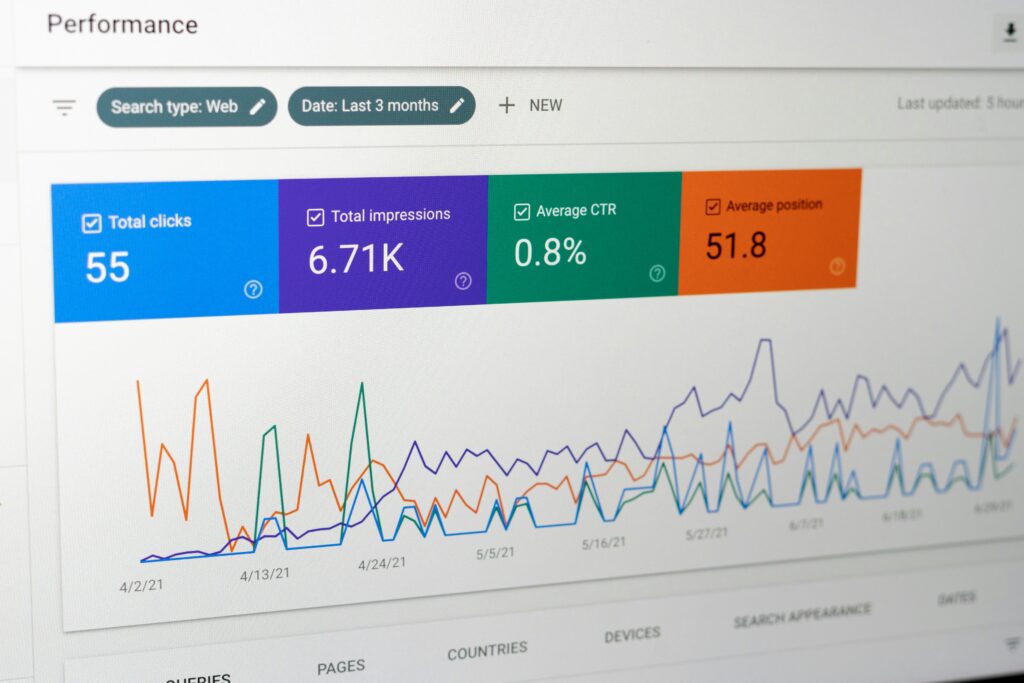
7. Measuring Content Performance
Tracking content performance helps improve future posts.
Metrics to Monitor
- Page Views: Which posts attract the most visitors?
- Bounce Rate: Are readers leaving quickly?
- Time on Page: How long do readers engage with your content?
- Conversion Rate: Are visitors subscribing, sharing, or clicking links?
Tools for Analysis
- Google Analytics: Offers detailed metrics for your site.
- Google Search Console: Monitor indexing, search performance, and errors.
8. Updating and Repurposing Content
Fresh content improves SEO rankings and provides more value to readers.
- Update old posts with new information, images, or statistics.
- Repurpose content into videos, infographics, or social media posts.
- Use internal linking to connect updated posts with related content.
9. Common Mistakes to Avoid
Avoiding mistakes ensures better performance and AdSense approval.
- Keyword Stuffing: Overusing keywords can hurt rankings.
- Duplicate Content: Always write original content.
- Ignoring Mobile Users: Mobile-first design is critical.
- Neglecting Updates: Outdated posts lose traffic and relevance.

10. Advanced Tips for High-Performing Content
- Use Lists and How-To Guides: Step-by-step guides are popular and shareable.
- Engage Readers: Ask questions or include polls.
- Add Call-to-Actions (CTA): Encourage readers to explore related posts or subscribe.
- Use Storytelling: Real-life examples and experiences increase engagement.
- Include Case Studies or Research: Adds credibility to your content.
Conclusion
Creating effective content is a continuous process that requires strategy, creativity, and consistency. Understanding your audience, choosing the right topics, writing engaging content, optimizing for SEO, using multimedia, promoting your posts, measuring performance, and updating content regularly will help your blog grow and improve your chances of AdSense approval.
Call to Action: Boost your skills further by checking our guide on Top Programming Languages in 2026.














1 thought on “Effective Content Creation Tips for Bloggers”